Food Is Fuel — But It's More Complicated Than That
You've heard it a thousand times: "You can't out-train a bad diet." And while that's true, the reverse is also worth saying — you can't out-diet bad training. Nutrition and training are two sides of the same coin, and optimizing one while ignoring the other is like trying to clap with one hand.
The good news? Sports nutrition doesn't have to be complicated. Despite what the supplement industry wants you to believe, the fundamentals are straightforward. Master the basics, and you'll outperform 90% of people who are chasing exotic superfoods and complicated meal timing protocols.

Calories: The Foundation of Everything
Before we talk about macros, micronutrients, or meal timing, we need to talk about energy balance. Your body requires a certain number of calories just to exist — to breathe, pump blood, regulate temperature, and keep your brain running. This is your Basal Metabolic Rate (BMR). Add daily activity and exercise on top, and you get your Total Daily Energy Expenditure (TDEE).
- Eat more than your TDEE → you gain weight (surplus)
- Eat less than your TDEE → you lose weight (deficit)
- Eat roughly at your TDEE → you maintain weight
This isn't an opinion or a diet philosophy — it's thermodynamics. Every diet that has ever worked (keto, intermittent fasting, paleo, vegan, carnivore) works because it creates a caloric deficit, whether you're consciously counting calories or not.
Protein: The Non-Negotiable
If there's one macronutrient you should pay attention to above all others, it's protein. Protein provides the amino acids your body needs to repair and build muscle tissue. Without adequate protein, your training adaptations will be severely limited.
How much do you need?
- General fitness: 1.6-2.0 grams per kilogram of bodyweight per day
- During fat loss: 2.0-2.4 g/kg (higher protein helps preserve muscle when in a caloric deficit)
- For a 70 kg person, that's roughly 112-168 grams of protein per day
Best protein sources:
- Chicken breast, turkey, lean beef
- Fish and seafood (salmon, tuna, shrimp)
- Eggs and egg whites
- Greek yogurt, cottage cheese
- Legumes, tofu, tempeh (plant-based options)
- Whey or plant protein powder (convenient, not magic)
Carbs and Fats: Your Energy Partners
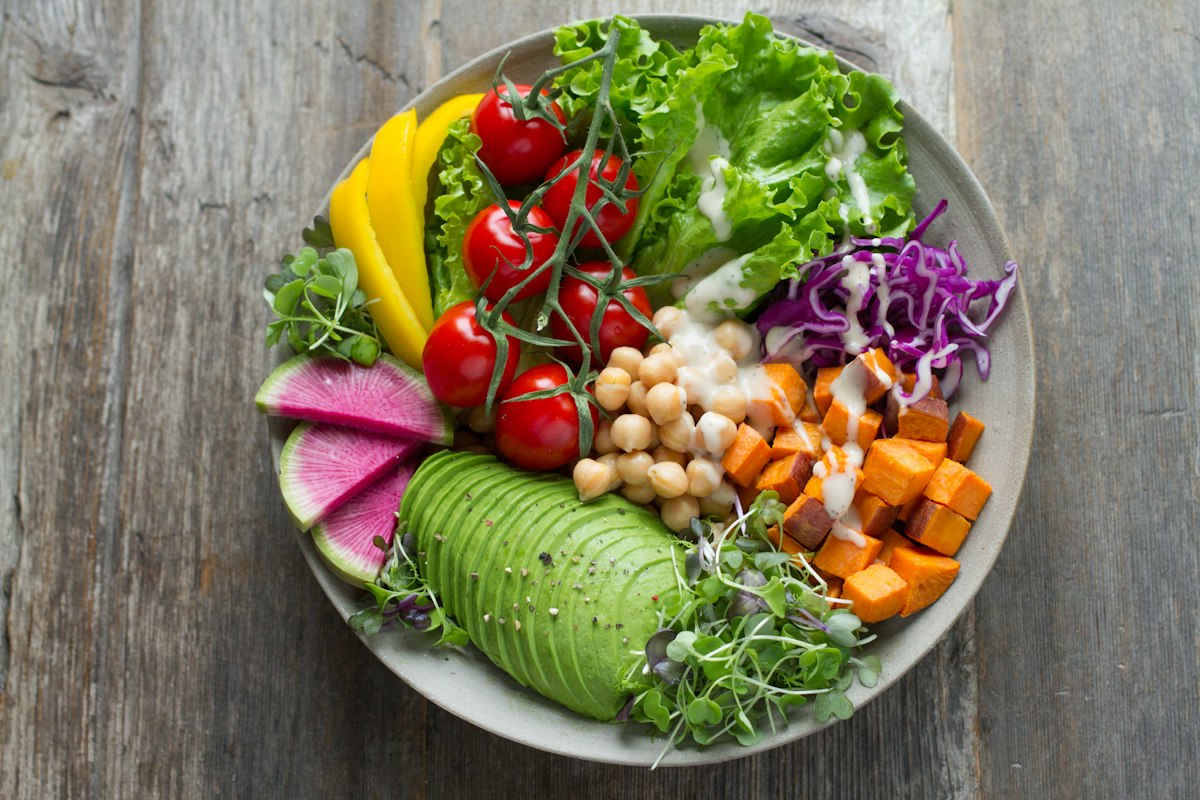
Carbohydrates are your body's preferred fuel source for high-intensity exercise. When you sprint, lift heavy, or do anything explosive, your muscles run primarily on glycogen (stored carbohydrates). Cutting carbs too aggressively while training hard is a recipe for poor performance, irritability, and brain fog.
Good carb sources: rice, potatoes, oats, fruits, whole grain bread, pasta. Yes, pasta. It's fine. Stop demonizing food groups.
Fats are essential for hormone production (including testosterone, which is critical for muscle building), brain function, and the absorption of fat-soluble vitamins (A, D, E, K). Don't fear fats — just don't go overboard, since they're calorie-dense (9 calories per gram vs. 4 for protein and carbs).
Good fat sources: olive oil, avocados, nuts, fatty fish, eggs, cheese in moderation.
Hydration: The Forgotten Performance Enhancer
Even mild dehydration (as little as 2% of bodyweight) can reduce strength, endurance, and cognitive function. Most people are chronically under-hydrated and don't even realize it.
Simple hydration guidelines:
- Drink at least 2-3 liters of water per day as a baseline
- Add 500 ml for every hour of exercise
- If your urine is dark yellow, you need more water
- Coffee counts toward hydration (the diuretic effect is minimal)
- During long or intense sessions, consider adding electrolytes (sodium, potassium, magnesium)
Meal Timing: Important, But Not as Much as You Think
The internet loves to argue about meal timing. Should you eat breakfast? Is intermittent fasting better? Do you need protein within 30 minutes of training?
The truth: total daily intake matters far more than timing. That said, some practical guidelines:
- Pre-workout: Eat a balanced meal 2-3 hours before training, or a lighter snack 30-60 minutes before. Something with carbs and protein.
- Post-workout: Have a protein-rich meal within 1-2 hours after training. The "anabolic window" isn't as narrow as bro-science claims, but there's no reason to delay nutrition either.
- Before bed: A casein protein source (cottage cheese, Greek yogurt) can support overnight recovery.
Supplements: The 1% That Gets 99% of the Attention
Let's be real: most supplements are a waste of money. The ones with actual scientific support:
- Creatine monohydrate — 3-5g/day, the most researched supplement in sports science. Improves strength and power output. Safe and cheap.
- Protein powder — not magic, just convenient. Use it when whole food sources aren't practical.
- Vitamin D — if you live somewhere without much sun or spend most of your time indoors.
- Caffeine — genuinely improves performance. You're probably already taking it.
Everything else — BCAAs, fat burners, testosterone boosters, "pre-workout matrix blends" — is mostly marketing. Save your money for quality food.
Your 321.fit coach can help you dial in your nutrition based on your specific goals, preferences, and lifestyle. No cookie-cutter meal plans — just practical guidance that works for your life.
Download 321.fit and get personalized nutrition guidance from your coach.