What Is Functional Training — and Why Is Everyone Talking About It?
Functional training is a system of exercises that trains your body the way it actually moves in real life. Instead of isolating a single muscle on a machine, you perform compound movements — squats, pulls, presses, rotations, jumps. These are the exact patterns you use every day: picking up your kid, carrying groceries, playing weekend soccer, or sprinting to catch a bus.
Over the past decade, functional training has moved from niche CrossFit boxes into the mainstream. Major gym chains now dedicate entire floors to it. And for good reason — the science backs it up, and the results speak for themselves.
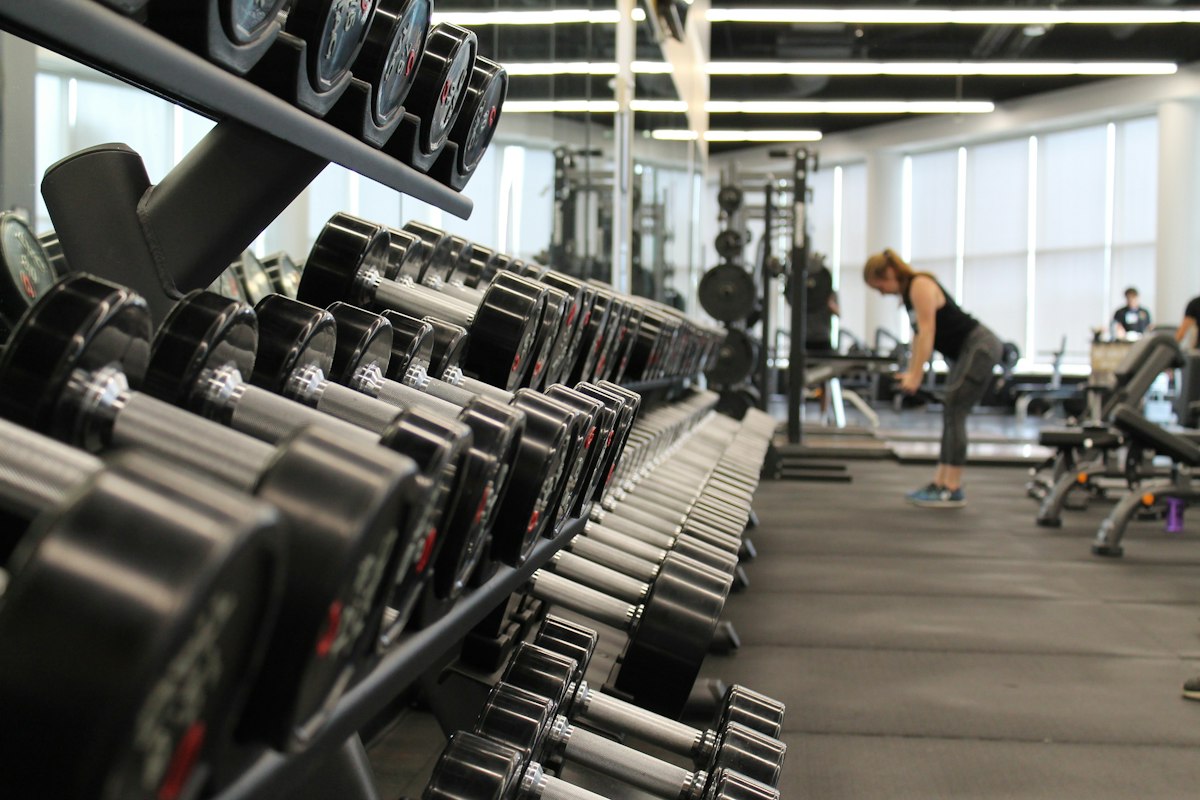
5 Reasons Functional Training Beats Traditional Machines
1. Multiple muscle groups working together. A single exercise like the Turkish get-up engages your core, shoulders, legs, and stabilizers simultaneously. This means more calories burned per minute and more efficient workouts. Research published in the Journal of Strength and Conditioning found that multi-joint functional exercises produced significantly higher metabolic responses compared to single-joint machine exercises.
2. Better coordination and balance. Machines guide you along a fixed path. Free weights and bodyweight movements force your stabilizer muscles to engage constantly. The result? Better proprioception, improved balance, and a dramatically lower risk of injury in everyday life. This is especially critical as we age — falls are the leading cause of injury in adults over 65.
3. Direct transfer to real-world activities. Studies consistently show that functional training improves quality of life across all age groups — from competitive athletes to seniors who want to maintain independence. A 2023 meta-analysis found that functional training programs improved daily task performance by 28% more than traditional resistance training.
4. Minimal equipment needed. You can build an incredible functional training practice with just a kettlebell, a pull-up bar, and your own bodyweight. No need for a gym packed with 50 different machines. This makes it perfect for home workouts, outdoor sessions, or travel.
5. Fewer muscular imbalances. Traditional bodybuilding splits often create problematic imbalances: strong chest with a weak back, powerful quads with underdeveloped glutes. Functional training treats the body as an integrated system, building balanced strength that protects your joints and spine.
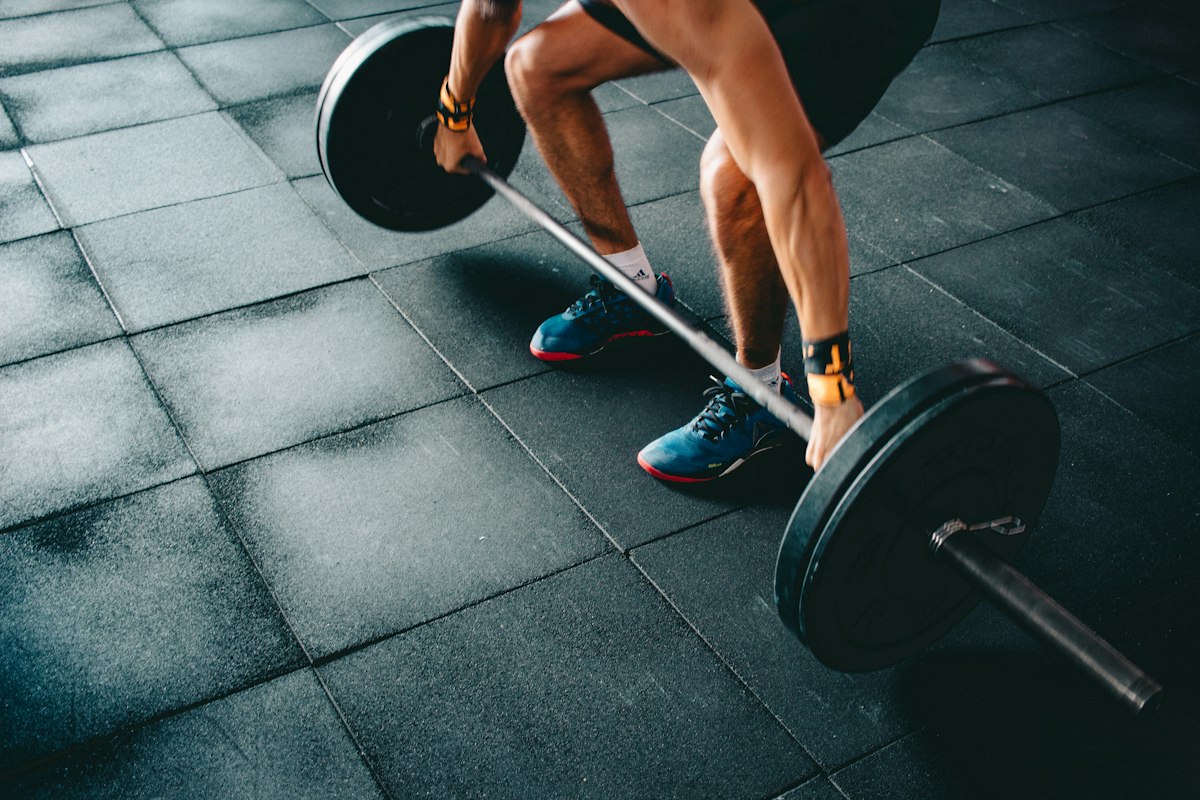
Getting Started: 4 Essential Movements
The Goblet Squat. Hold a kettlebell at your chest and squat deep with a straight back. This teaches proper squat mechanics, builds leg and core strength, and improves hip mobility. Start with 3 sets of 10 reps and focus on depth and control rather than weight.
The Turkish Get-Up. This is the king of functional exercises. You rise from the floor to standing while holding a weight overhead. It trains mobility, stability, and strength in one fluid movement. Start light — even bodyweight — and master each position before adding load.
The Farmer's Carry. Pick up heavy kettlebells or dumbbells and walk. Simple, brutal, and incredibly effective for grip strength, core stability, and cardiovascular endurance. Aim for 3 walks of 40 meters with the heaviest weight you can handle with good posture.
The Dead Hang + Pull-Up. Start with simply hanging from a bar for 30-60 seconds to decompress your spine and build grip endurance. Progress to pull-ups as you get stronger. This combination is one of the best things you can do for shoulder health and upper body pulling strength.
Who Is Functional Training For?
The short answer: everyone. Intensity and complexity scale effortlessly. A beginner squats with bodyweight; an advanced athlete squats with double overhead kettlebells. The movement pattern is identical — the load is different.
Functional training is especially valuable for people with sedentary lifestyles. Hours at a desk create tight hip flexors, weak glutes, rounded shoulders, and a dormant core. Functional movements reverse these patterns, restoring the mobility and resilience your body was designed for.
It's also a game-changer for athletes in any sport. Whether you play tennis, ski, surf, or do martial arts — functional training builds the kind of strength that actually transfers to performance. No machine can replicate the dynamic, multi-planar demands of real sport.
Start Today — No Monday Required
You don't need a gym membership or a perfect plan. Start with the four movements above, 2-3 times per week, 20-30 minutes per session. Within a month, you'll notice the difference — not just in the mirror, but in how you move through your day. Stairs feel easier. Your back doesn't ache. You feel more capable and confident in your own body.
Ready to experience functional training with a professional coach who gets it? 321.fit connects you with programs designed for real-world results — not just gym mirrors. Your body was built to move. Let's help it remember how.