Why Strength Training Should Be Your Foundation
If you could only do one type of exercise for the rest of your life, strength training would be the smartest choice. It builds muscle, strengthens bones, improves posture, boosts metabolism, enhances mental health, and reduces your risk of virtually every chronic disease. Yet most beginners either avoid the weight room entirely or approach it with so much confusion that they give up within weeks.
This guide will fix that. Whether you've never touched a barbell or you've been doing random YouTube workouts without a plan, this is your starting point.
The Fundamental Movements
Every effective strength program is built around a handful of movement patterns. Master these, and you'll have the foundation for any program, any goal, for the rest of your training life:
Squat (Legs & Core): The king of lower body exercises. Start with bodyweight squats to learn the pattern — feet shoulder-width apart, push your hips back as if sitting into a chair, keep your chest up, go as deep as your mobility allows. Once you're comfortable, progress to goblet squats (holding a dumbbell at your chest), then barbell back squats.
Hinge (Posterior Chain): Deadlifts, Romanian deadlifts, kettlebell swings — these all train the hinge pattern. You're bending at the hips while keeping your spine neutral. This strengthens your hamstrings, glutes, and lower back. Start with Romanian deadlifts using light dumbbells. Focus on feeling a stretch in your hamstrings as you lower the weight.
Push (Chest, Shoulders, Triceps): Push-ups, bench press, overhead press. If you can't do a full push-up yet, start with incline push-ups (hands on a bench or wall) and work your way down to the floor over time.
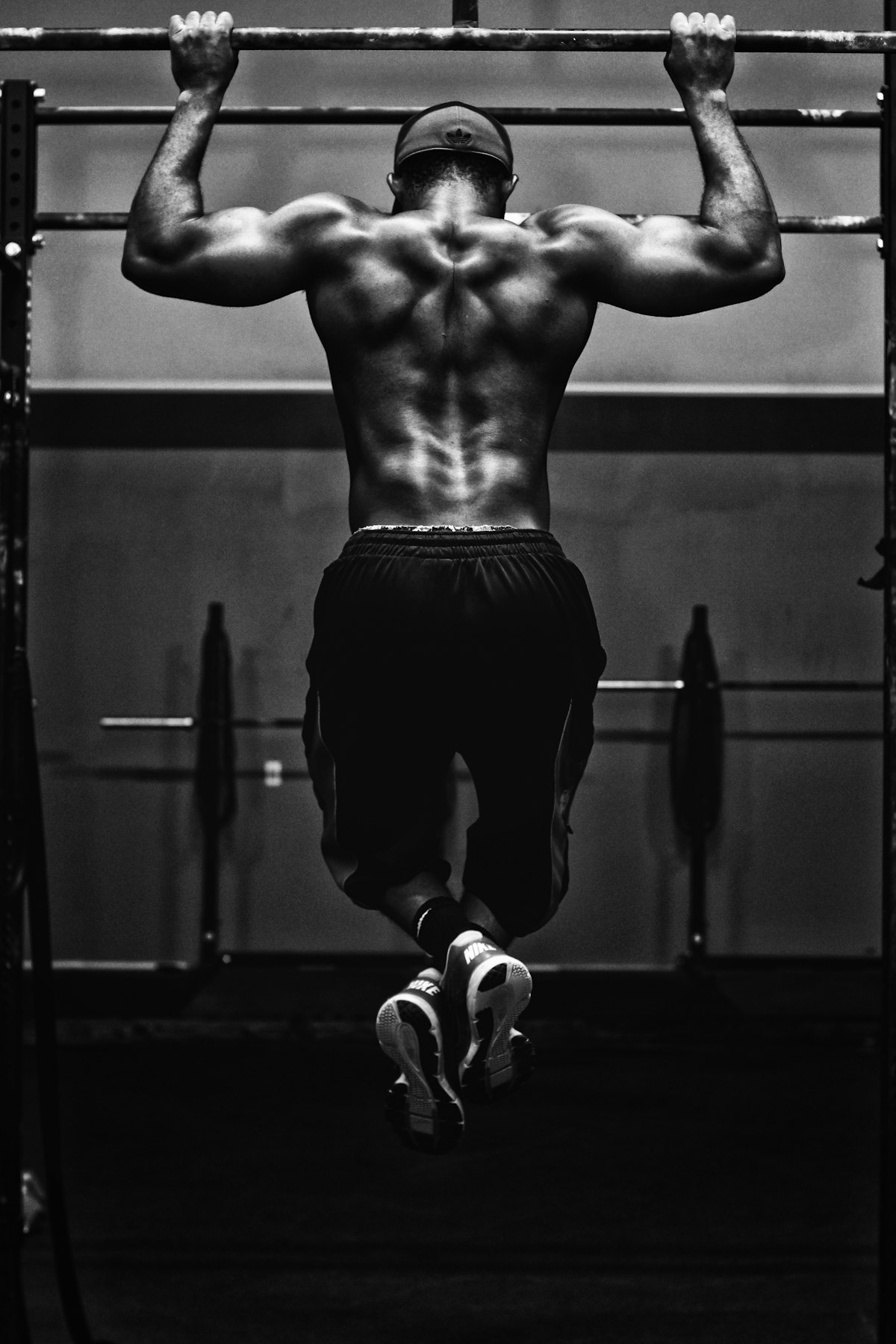
Pull (Back, Biceps): Rows and pull-ups. If pull-ups are too hard (they are for most beginners), start with lat pulldowns or assisted pull-ups. Dumbbell rows are excellent for building back strength.
Carry/Core: Farmer's walks, planks, pallof presses. Core training isn't about doing 500 crunches — it's about teaching your midsection to stabilize your spine under load.
Your First Program: Keep It Simple
Beginners don't need fancy programs. They need consistency with the basics. Here's a simple 3-day full-body template:
Day A:
- Goblet Squat — 3 sets of 10
- Dumbbell Bench Press — 3 sets of 10
- Dumbbell Row — 3 sets of 10 per arm
- Plank — 3 sets of 30 seconds
Day B:
- Romanian Deadlift — 3 sets of 10
- Overhead Press — 3 sets of 10
- Lat Pulldown — 3 sets of 10
- Farmer's Walk — 3 sets of 30 meters
Alternate between Day A and Day B three times per week (e.g., Monday A, Wednesday B, Friday A, then Monday B, Wednesday A, Friday B). Rest at least one day between sessions.
Progressive Overload: The Only Rule That Matters
Your body adapts to stress. If you squat 20 kg today and squat 20 kg every session for the next year, nothing will change after the first few weeks. You must progressively increase the demand on your muscles. This is called progressive overload, and it's the single most important principle in strength training.
Ways to progressively overload:
- Add weight. The most obvious method. Even 1-2 kg per session adds up fast.
- Add reps. If you did 3x8 last week, try 3x10 this week with the same weight.
- Add sets. Go from 3 sets to 4.
- Improve form. Deeper squat, better control, slower eccentric — these all increase difficulty.
- Decrease rest time. Doing the same work in less time is a form of progression.
Track everything. You can't overload what you don't measure. 321.fit makes logging your workouts dead simple — and your coach can monitor your progression in real-time.
Common Beginner Mistakes
- Going too heavy too soon. Ego lifting leads to injuries. Start lighter than you think you should. Perfect the movement pattern first.
- Skipping warm-ups. Five minutes of light cardio and dynamic stretching prevents injuries and improves performance.
- Program hopping. Stick with one program for at least 8-12 weeks before switching. Results take time.
- Neglecting recovery. Muscles grow during rest, not during the workout. Sleep 7-9 hours, eat enough protein, and take your rest days seriously.
- Comparing yourself to others. Everyone starts somewhere. The person squatting 200 kg was once struggling with the empty bar too.
The best thing a beginner can do? Get a coach. A qualified coach will teach you proper form from day one, design a program matched to your level, and keep you accountable through the inevitable rough patches.
Download 321.fit and find a coach who specializes in beginners.